
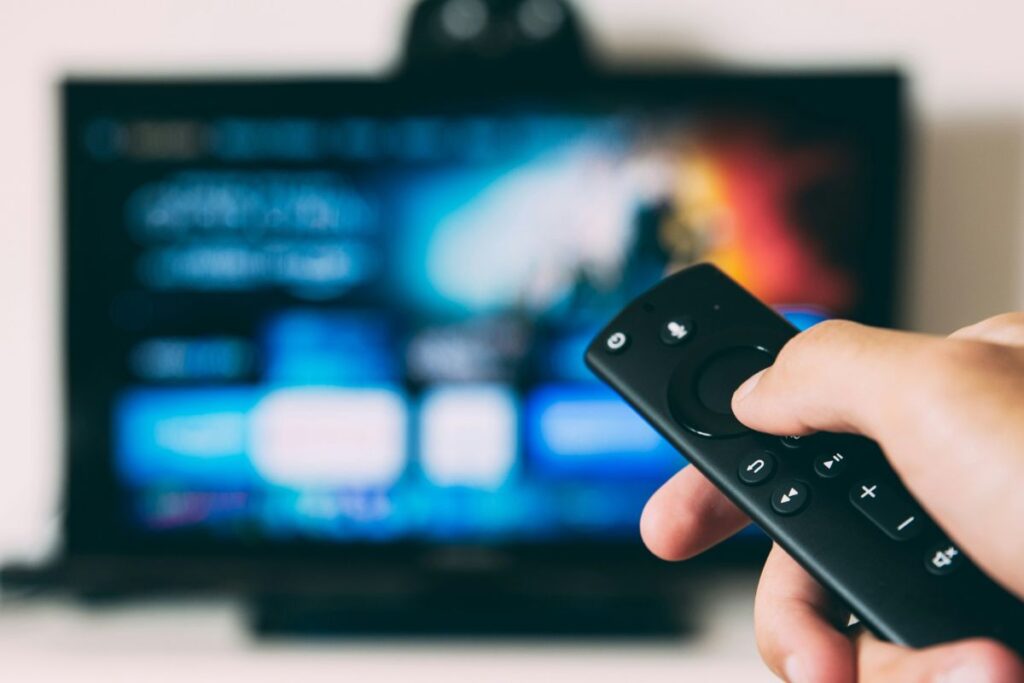
Amazon is facing a new class-action lawsuit filed in California in mid-April 2026 alleging the company knowingly degraded older Fire TV Stick streaming devices. According to the complaint, plaintiff Bill Merewhuader says Amazon heavily promoted its first- and second-generation Fire TV Sticks as providing “instant” streaming with no buffering, only to later cut off key software updates and leave the devices “effectively inoperable”.
The suit, filed in Los Angeles County Superior Court, claims that Amazon quietly ended update support for first-generation sticks in December 2022 and for second-generation sticks by early 2023, even though customers were led to believe the hardware would be supported through 2024.
As a result, users reported severe lag, buffering and, in some cases, complete “bricking” of their devices – meaning the hardware remains intact but streaming functionality is lost.
Merewhuader’s lawsuit contends this undisclosed shutdown of updates violated California consumer-protection laws and the implied promise that the devices would continue to work. He is seeking class-action status on behalf of all U.S. buyers of first- and second-generation Fire TV Sticks. The complaint demands damages and restitution for affected consumers and an injunction to force Amazon to halt the alleged practice.
Attorneys for the plaintiffs describe Amazon’s conduct as “software tethering”, arguing that the company tied the stick’s functionality to its own update servers. By cutting off those updates, Amazon essentially imposed planned obsolescence on the devices. (Merewhuader is represented by KalielGold PLLC and Tycko & Zavareei LLP.)
Amazon has not publicly responded to the complaint. As of mid-April 2026, no court date has been set in the Los Angeles lawsuit. If the case proceeds, it could potentially cover millions of Fire TV Stick owners and might force Amazon to extend support or issue refunds for the “bricked” devices. Observers say the outcome could also influence how consumer tech companies disclose product lifespans and manage software support in the future.
Sources: Court filings and media reports.